Your first US freeway, in order: merging from the on-ramp; Interstate shields (odd north–south, even east–west); exit numbers by mileage; keep right, pass left; the diamond carpool lane (2+/3+) and toll express lanes; mph to km/h; getting off and what to do if you miss your exit; rest areas, fuel and charging.
Key facts
- Odd numbers run north–south, even numbers east–west, and exit numbers are mostly by mileage.
- Keep right, pass on the left, and check the occupancy on the diamond lane sign.
- If you miss an exit, don't brake hard; take the next one and loop back.
Video coming soon · Subscribe on YouTube
Getting on: speed up on the ramp
First, getting on.
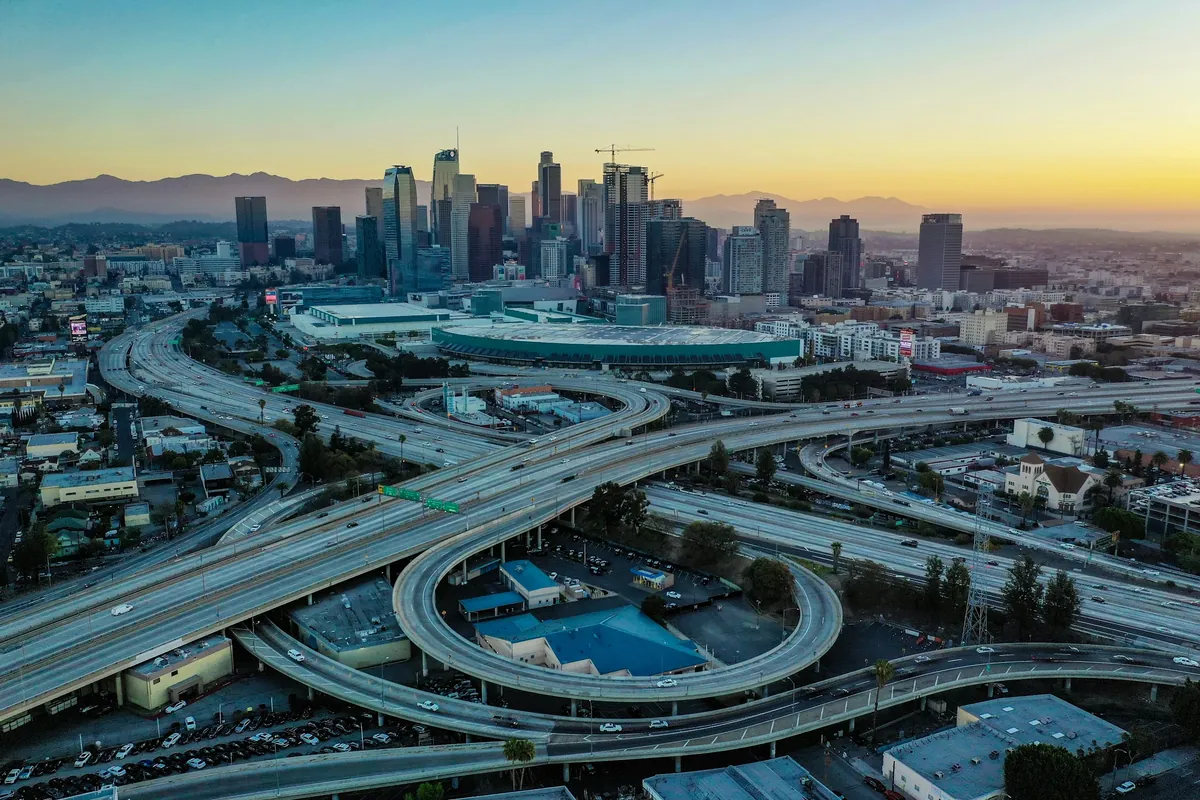
US freeways, called Interstates or freeways, are entered by an on-ramp. Build up speed on the ramp to close to the traffic speed, then signal left and merge.
Don't stop at the end of the ramp to wait; that's actually more dangerous. Traffic on the freeway will often make room, but merging safely is your responsibility.
Reading the shield: odd and even
The Interstate sign is a red and blue shield. Odd numbers run roughly north–south, like 15 and 5; even numbers run roughly east–west, like 10, 40 and 80.
Three-digit Interstates are usually loops or spurs. Below the shield is the direction: North, South, East, West. If your navigation says take 15 North, look for the entrance marked North.
Exit numbers: mostly by mileage
In most states, exit numbers are based on mileage: Exit 120 is roughly mile 120 of that road in that state.
So if the next exit is 120 and you're going to 140, you have about 20 miles to go.
A lane marked Exit Only on the sign will take you off the freeway if you stay in it. If you don't want to exit, move to the next lane early.
Choosing a lane: keep right, pass left
Step four: choosing a lane.
The rule is keep right, pass on the left. Driving slowly in the far-left lane annoys drivers behind you, and some states fine it.
Before changing lanes, signal, check your mirrors, then glance over your shoulder at the blind spot. Big trucks have large blind spots, so don't linger beside one.
The leftmost diamond lane
The leftmost lane with a white diamond on the pavement is the carpool lane. A sign saying 2+ means at least two people in the car, including the driver; 3+ means at least three. Driving alone, you can't use it during the posted hours.
Some carpool lanes list hours and are only restricted at rush hour; in California many apply all day. Enter and exit only where the lines are dashed, never across double solid lines.
There are also express lanes that solo drivers can use for a toll, usually with an electronic transponder. In a rental car, toll lane charges usually go to the rental company, which then charges your card, so ask at pickup.
Speed limits: miles per hour
Step six: speed limits.
US speed limits are in miles per hour. 65 mph is about 105 km/h, and 70 mph is about 113 km/h.
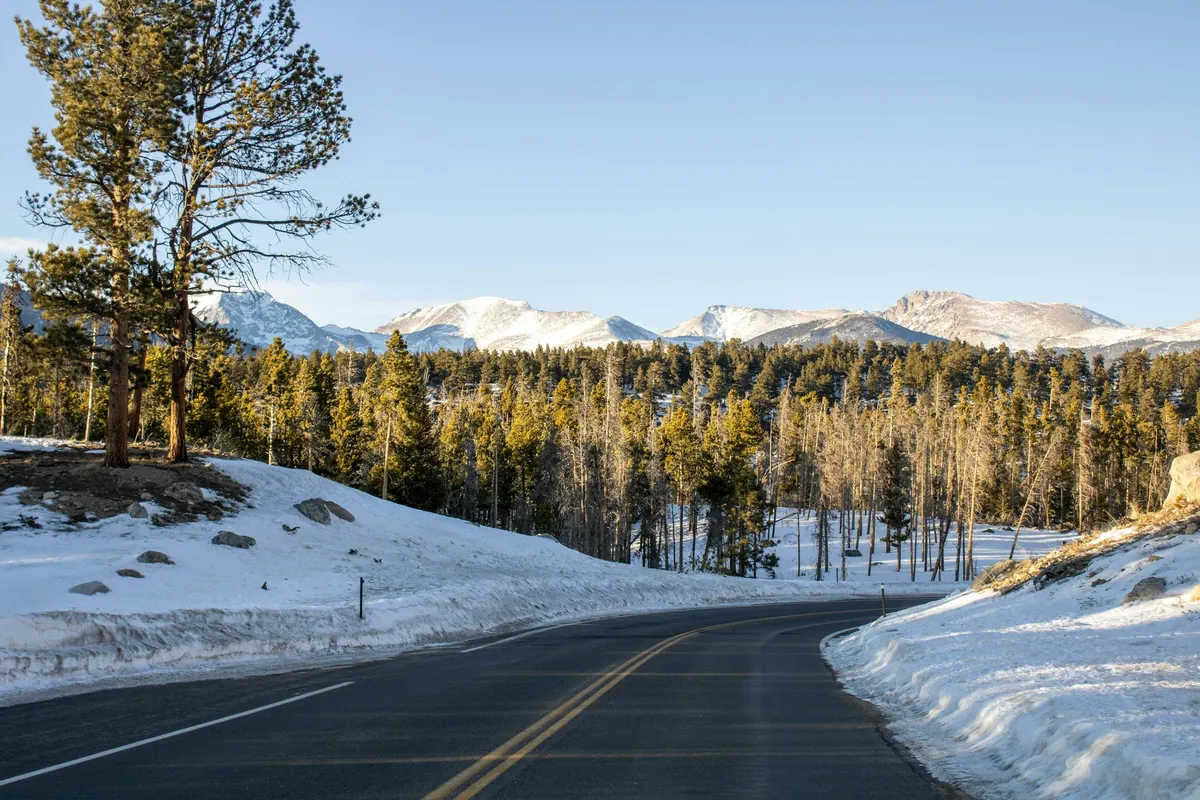
California freeways usually top out at 65 to 70 mph; some stretches in Nevada and Utah go up to 80. The number on the sign is the maximum; go slower in rain, snow and work zones, where fines are often doubled.
Getting off
Step seven: getting off.
When you see the exit sign, move to the far-right lane one to two miles early. Slow down after you leave the main road; ramp curves can be tight, so watch the yellow advisory speed signs.
If you miss your exit, don't brake hard or reverse; take the next exit and loop back.
Rest areas, fuel and charging
Finally, rest areas.
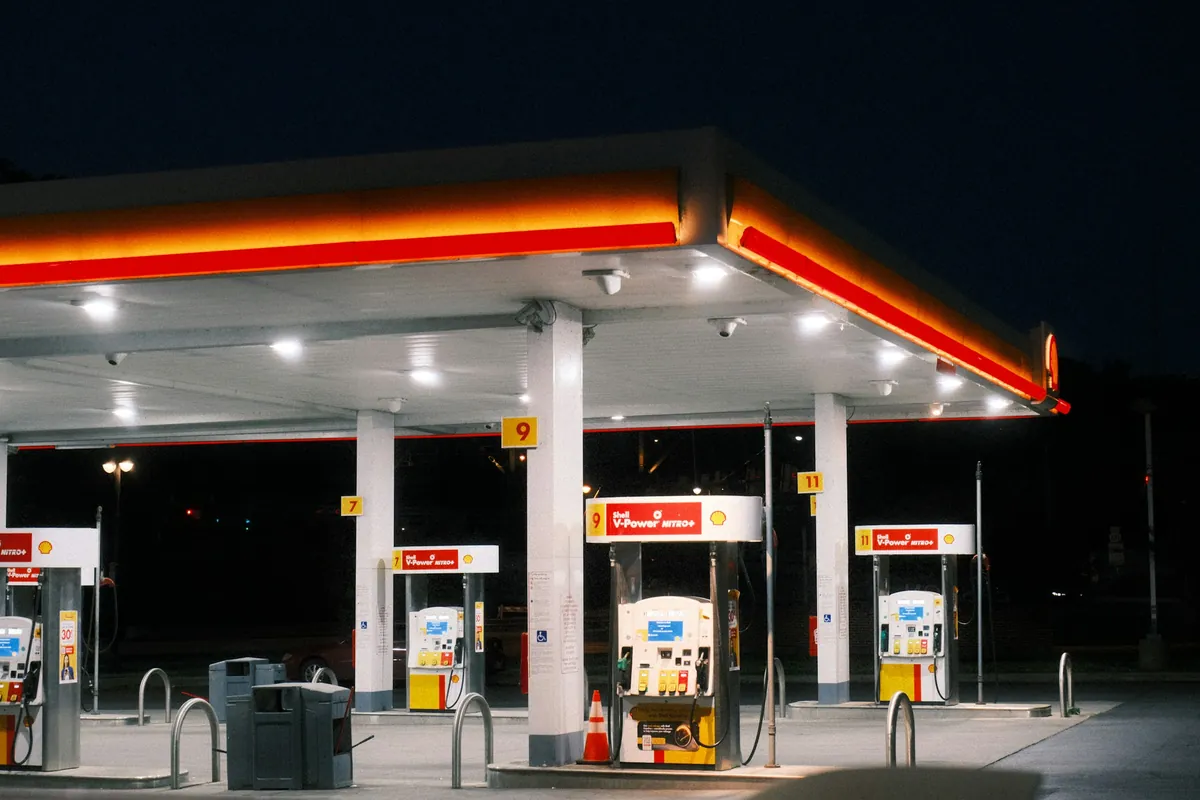
Interstates have rest areas with restrooms, sometimes vending machines, but usually no fuel. Next Services signs tell you whether the next exit has gas, food or lodging.
In the American West, gas stations can be far apart. Fill up whenever you're at half a tank; in an EV, plan fast chargers along the route before you go, and remember winter heating drains range quickly.
General information only. Rules change; check official notices before you go.
Routes, parking and gas stations, shown on maps and real footage, one section at a time.